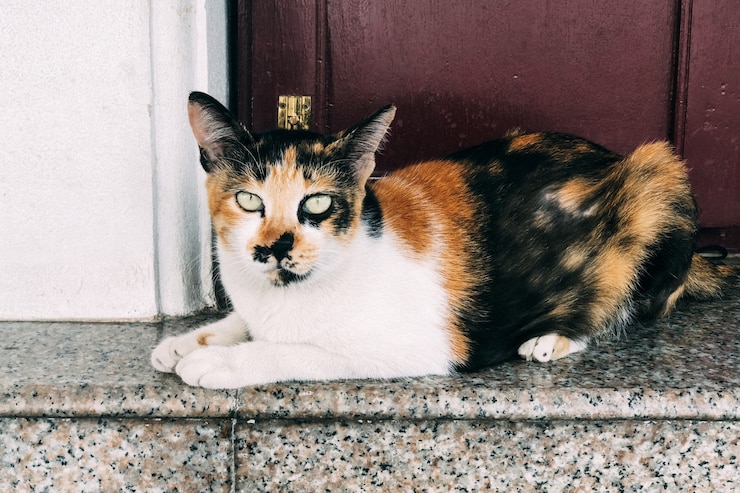
If you’re tired of seeing little invaders scampering through your home, you might want to consider inviting a feline companion into your space. Not just for companionship, these animals are sharp-eyed hunters that instinctively target small, often unwanted visitors. Many homeowners have witnessed first-hand how a curious cat will zero in on a mouse or a pesky insect, providing an immediate and organic solution to the problem.
These creatures have long been skilled at managing populations of smaller wildlife. Their predatory instincts make them effective in reducing the number of unwanted pests that creep around the corners of kitchens or hide in basements. Interestingly, studies suggest that the mere presence of a cat can cause some pests to avoid a space altogether. It’s not always about catching; the threat itself is often enough to keep certain species away.
What’s more, even the most diligent home care methods can’t always reach into every nook and cranny where these creatures thrive. Cats, however, seem to have a natural knack for getting to those hard-to-reach spots–whether it’s in your pantry, attic, or behind your appliances. Their agility and stealth are unmatched, and, at times, the situation requires nothing more than their watchful eyes and a quick pounce.
Presence of Predators Alters Behavioural Patterns in Small Mammals
The mere presence of a predator can trigger dramatic shifts in the daily activities of small mammals. These creatures, often seen scurrying about, are hardwired to adjust their routines when they detect potential threats. For example, studies have shown that when these animals sense nearby danger–whether from natural predators or even just the scent of one–they tend to reduce their foraging hours, staying hidden during peak daylight. This is not just a casual change; it can stretch from hours to days depending on how frequent the perceived risk is.
Interestingly, this doesn’t always lead to a complete avoidance of areas. Sometimes, it just leads to a shift in behaviour. Take feeding habits, for example: instead of browsing openly in the daylight, they might change to more erratic, nocturnal eating sessions, when they believe the risk is lower. It’s almost like a dance of sorts, a continuous back-and-forth with risk assessment constantly in play.
Increased Caution in Shelter Selection
The fear of being caught unawares also affects shelter-seeking behaviour. With a predator in the vicinity, small mammals may opt for safer, harder-to-reach places to hide. This means fewer open areas for nesting and more reliance on areas where escape routes are readily available. The level of caution they demonstrate can be tied to how strongly they perceive the predator’s presence. It’s not just about hiding; they become more selective, seeking out those hard-to-reach nooks where they can remain undetected for longer stretches.
Change in Social Dynamics and Territory Claims
The behaviour of smaller mammals extends beyond individual actions. Entire groups will alter their movements as well. When a predator is around, social groups often scatter or even temporarily abandon their established territories. There’s a marked shift in how these territories are claimed, too. Instead of bold, visible markings or aggressive territorial displays, smaller mammals retreat to less conspicuous locations, making it harder for any predator to track their movements.
All these changes might seem subtle, but they are a direct result of evolutionary survival mechanisms. Whether these creatures will ever fully acclimatize to their fear of larger predators is uncertain, but for now, the presence of such threats will likely continue to shape their behaviour in profound ways.
Which Breeds Are Most Suited for Pest Control Tasks
If you’re looking for a breed with a natural instinct to hunt, consider the following options. These types are known for their strong predatory drive and desire to keep your space clear of unwanted guests.
1. American Shorthair
American Shorthairs are well-known for their ability to chase down pests. They have a calm demeanor, but when it comes to catching critters, they’re focused and efficient. Their hunting skills are often inherited, making them great choices for homes with persistent wildlife issues. They’re not overly aggressive but will still get the job done without hesitation.
2. Maine Coon
Maine Coons are big, strong, and have a history of being used on farms for pest management. Despite their friendly personality, they have a high prey drive and excel at tracking down mice or other small creatures. They are excellent climbers, which makes them a good fit for areas where pests may be hiding in higher places.
3. Siamese
Siamese cats are incredibly vocal, but their hunting abilities are nothing to overlook. They have sharp reflexes and enjoy chasing smaller animals. These cats can be a bit more high-strung, but their alertness and energy make them ideal for places that need constant attention.
4. Bengal
Bengals are a mix of domestic cats and wild ancestors, giving them an intense hunting drive. Their natural agility and strength make them adept at catching anything from rodents to insects. They tend to be active and curious, often finding their way into areas where pests might be lurking.
5. Russian Blue
The Russian Blue is another breed with a high prey drive, although it is less active than some of the others. This breed can be particularly effective in controlling smaller pests like mice. Their stealthy nature helps them sneak up on prey, making them quite efficient at eliminating invaders.
6. Turkish Van
Known for their love of water, Turkish Vans are energetic and fearless hunters. Their love for play and their strong prey instinct often lead them to chase after critters. They’re less likely to shy away from any challenge, and that makes them great for keeping pests at bay in both homes and barns.
- Look for breeds with high energy and strong instincts for best results.
- Consider space: Some cats may need larger areas to roam in search of prey.
- Keep in mind the cat’s temperament: Not all breeds are equally calm about pests, some may be more aggressive.
Choosing the right breed for your home or business really depends on the level of pest activity and the cat’s ability to adapt to your environment. Each of these breeds can be highly effective in different situations. You just need to pick one that fits your space and needs.
What Signs Indicate Your Cat Is Actively Hunting Rodents
If you notice your cat suddenly becoming hyper-alert, there’s a good chance it’s on the hunt. Frequent staring at empty spaces, twitching ears, or pouncing at invisible objects are key signs. The more focused the cat gets, the more likely it is responding to some movement or scent in the environment.
Another indicator? The cat may begin “stalking” around your home–moving slowly, with its tail flicking or even raised. This is an instinctual behaviour designed to pinpoint prey. You might also observe your cat making soft “chirping” or “chattering” noises, especially when watching small animals from a distance. It’s not necessarily a sign of frustration, but rather a reflex tied to hunting instincts.
Some cats, as they get more skilled, might even leave “gifts” for you–like dead or injured critters in unexpected places. While unpleasant, it’s a clear signal that your feline is working hard to manage pests. If you’re dealing with a particularly diligent hunter, they might be seen with an unusual amount of energy or a heightened sense of curiosity, often inspecting corners, behind furniture, or under appliances.
Sometimes, you’ll spot sudden bursts of activity–your cat leaping up, running through the house, or trying to catch something that only they can see. These actions are driven by sharp hunting instincts, even if the prey is unseen by human eyes. A reduction in the cat’s usual daytime napping may also signal a shift towards increased hunting behaviour, particularly in the quieter, late hours of the day or night.
If you’re wondering whether your feline is being effective at its task, you can follow the trail. For more insight on natural pest control, check out The Pest Control Guy on pinterest.com or visit fliphtml5.com about The Pest Control Guy for useful tips.
Encouraging a Natural Hunting Drive Safely
To tap into your pet’s natural instincts, start by providing opportunities for stalking. Simple toys like feathers on strings or small balls mimic prey movements. Cats respond best to quick, erratic motions–so don’t overthink it. Just move the toy like it’s running away, and watch how the instincts kick in.
Set up Interactive Play Sessions
Regular, interactive play sessions are key. Try 10-15 minutes of play a few times a day, making sure to include a variety of toys. A laser pointer, for instance, is a great way to simulate chasing, though be cautious not to overdo it. It’s important to let your pet “catch” something from time to time, so using toys they can physically grab, like soft mice or ropes, is better for their satisfaction.
Safe Outdoor Exploration
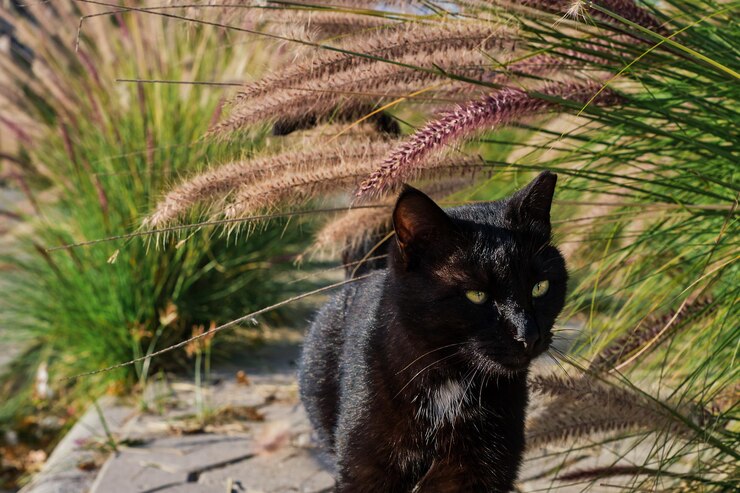
If you want to take things further, consider outdoor exploration. A leash or harness is essential here to keep things safe. You don’t want them wandering off unsupervised, as it can lead to accidents or potential dangers. But allowing them to explore a controlled outdoor environment can stimulate those natural predatory behaviours. Just make sure the area is secure and that you’re ready to step in if things get out of hand.
| Activity | Effect on Hunting Instinct | Safety Tips |
|---|---|---|
| Interactive Toys | Simulates prey movement, encourages chasing | Supervise play, avoid sharp objects |
| Laser Pointer | Encourages tracking, running | Ensure they get to “catch” something at least once |
| Outdoor Leash Walk | Encourages exploration, sighting of real-world prey | Use a harness, ensure safety from cars and predators |
Each of these methods can keep your pet engaged while ensuring they stay safe. Just don’t forget to vary things up. If you do the same thing every day, they might lose interest. Mix in some novelty, keep their environment stimulating, and you’ll notice an uptick in that playful energy.
Why Barn Cats Are Commonly Used in Agricultural Pest Management
Barn cats are a natural solution for many farms struggling with unwanted pests. These animals are particularly skilled at reducing populations of field mice, voles, and other small mammals, which often threaten crops and stored grains. A single feline can cover a wide area, moving easily between buildings, fields, and storage areas where typical traps or poison might not be as effective.
One of the reasons these animals are so widely relied upon is their innate hunting instincts. Unlike other methods that may only address pest problems temporarily, these hunters remain active year-round, keeping populations in check. In fact, studies suggest that the presence of a few barn cats can decrease the number of small animals by up to 75%.
A huge advantage of using cats over more conventional methods is their ability to reduce the risk of pesticide exposure. For farmers looking to avoid chemical treatments, these animals serve as a sustainable alternative. They work tirelessly, often without needing any supervision or care beyond basic shelter and food. It’s not uncommon to see a barn cat running along the edges of a field, chasing off an intruder without anyone noticing.
While some might think that just leaving a cat in a barn is enough, the truth is a bit more nuanced. Cats are territorial, and it’s important to have enough of them to keep pests from entering the area in the first place. A solitary cat might struggle to maintain control over a large space, so the ideal number depends on the size of the farm and the severity of the pest issue.
In many cases, the bond between farmers and their cats is one of mutual benefit. Cats thrive in barns where they are free to roam and hunt, and farmers appreciate their quiet yet constant presence. There’s a certain charm in knowing that, in addition to tending to crops, these animals contribute to the ongoing health of the farm in a way that few other methods can.
Impact on Local Insect Populations Indoors and Outdoors
While many might associate felines with catching small mammals, they’re also pretty skilled at reducing the number of crawling and flying creatures around. Indoors, a feline’s natural hunting instincts target a wide range of pests–spiders, ants, and even cockroaches don’t stand much of a chance if a cat is on the prowl. Their presence alone often deters insects from settling in, as they instinctively avoid areas that might pose a risk.
In outdoor spaces, the effect is even more pronounced. Garden insects, like beetles or even mosquitoes, tend to stay away from areas where these hunters roam. The scent of a predator is enough to send many species elsewhere. While it’s not a guarantee that every pest will be gone, the likelihood of them sticking around decreases significantly. Plus, certain insects may even be killed outright in a cat’s hunt.
Indoors: A Hidden Protector
It’s not just about catching bugs. The simple act of stalking and pouncing around can disrupt nests or hiding spots, forcing bugs out into the open. Have you noticed how your cat will suddenly go after a quiet corner of the room, sometimes in the middle of the night? Well, that’s probably because it’s picked up on the scent of something hiding. In fact, many common household insects are more likely to be spotted and dealt with by a cat’s vigilance, leaving the space less inviting for other critters.
Outdoors: A Natural Barrier
Outside, it’s a similar story. If you’ve ever watched a cat in your yard, you might see them moving through the grass with precision, almost as though they’re scanning for anything out of place. While they can’t eradicate every single bug, the mere act of regularly patrolling the area discourages many pests. For instance, ants tend to avoid areas where a feline is frequently active, and certain types of flies are known to steer clear as well. Having a cat outdoors may not guarantee that your garden will be pest-free, but it definitely makes it harder for insects to establish themselves without facing constant disruption.
